
Preparing for Taxes: A Step-by-Step Guide


Understanding Your Tax Obligations
As tax season approaches, it’s crucial to understand your obligations to ensure a smooth and stress-free process. Taxes can seem daunting, but breaking it down into manageable tasks can make all the difference. This guide will provide you with a step-by-step approach to preparing for taxes, helping you navigate the complexities with ease.
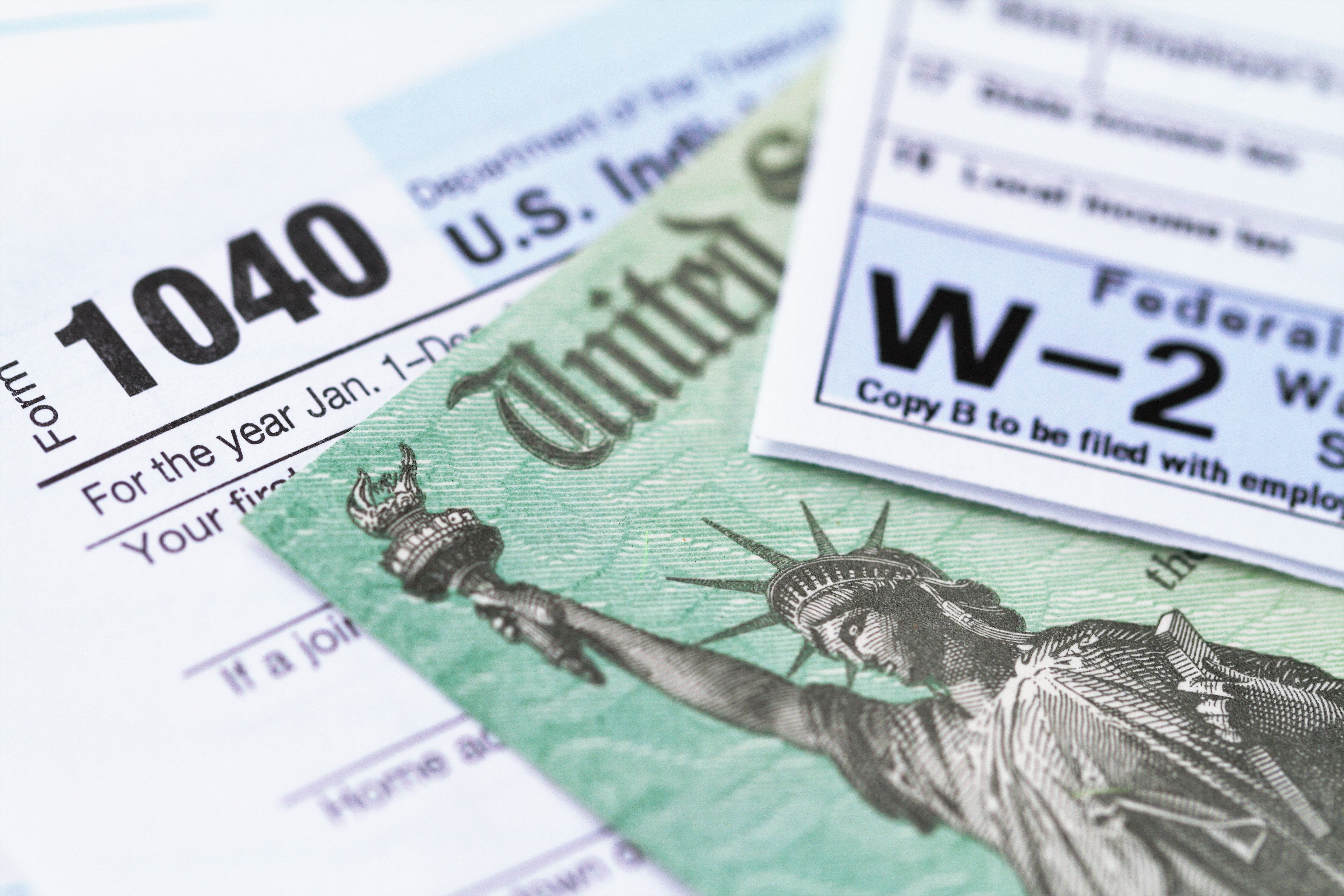
The first step is to determine which tax forms you need to file. This depends on your employment status, income sources, and any deductions or credits you might qualify for. The most common forms include the W-2 for employees and the 1099 for freelancers or independent contractors.
Gathering Essential Documents
Once you know which forms you need, start gathering all necessary documents. This includes your W-2s, 1099s, receipts for deductible expenses, and any relevant financial statements. Organizing these documents in advance will save you time and prevent last-minute stress.
It’s also wise to keep track of your previous year’s tax return. This can serve as a reference and help ensure consistency in your filings. Additionally, having a digital copy of all important documents can provide an extra layer of security and accessibility.

Understanding Deductions and Credits
Deductions and credits can significantly reduce your taxable income, so it’s important to understand which ones you qualify for. Common deductions include mortgage interest, student loan interest, and charitable contributions. Tax credits, such as the Earned Income Tax Credit, can also provide substantial savings.
Review the IRS guidelines or consult with a tax professional to ensure you’re maximizing your deductions and credits. Remember that some deductions and credits have specific eligibility requirements and documentation needs.

Selecting the Right Filing Method
Deciding how to file your taxes is a crucial step in the preparation process. You can choose to file electronically using tax software or hire a professional tax preparer. Each method has its pros and cons, so consider your personal circumstances when making this decision.
Filing electronically is often faster and reduces the risk of errors. However, if your financial situation is complex, a tax professional can provide invaluable guidance and ensure compliance with all tax regulations.
Staying Updated on Tax Changes
Tax laws are constantly evolving, so staying informed about any changes that might affect your filing is essential. The IRS website is a reliable source for updates, but subscribing to newsletters or following financial news outlets can also keep you in the loop.

Double-Checking Your Return
Before submitting your tax return, take the time to review all your information carefully. Ensure all figures are accurate, and double-check your personal information, such as your Social Security number and bank account details for direct deposit refunds.
Using tax software often includes error-checking features that highlight potential mistakes. If you’re working with a tax preparer, ask them to review everything with you before filing.
Submitting Your Tax Return
Once you’ve verified all information, submit your tax return by the deadline. Filing early can help avoid the last-minute rush and any potential penalties for late submission. Remember to keep a copy of your return and confirmation of submission for your records.
If you expect a refund, filing early also means you'll receive it sooner. Conversely, if you owe taxes, knowing the amount early on gives you more time to arrange payment.